Whole Home Battery
5
mins read
How Whole-Home Battery Systems Actually Work
Learn how whole-home battery systems work in Tennessee and how solar batteries provide backup power, energy independence, and grid resilience.
Dec 12, 2025
Share via:
How Whole-Home Battery Systems Actually Work
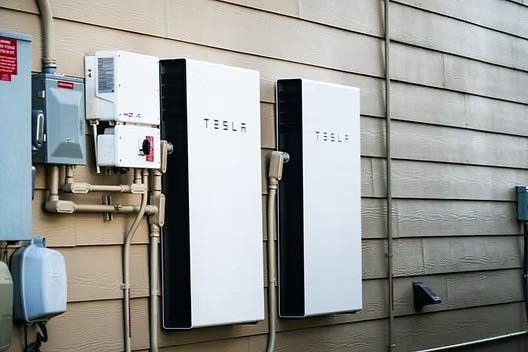
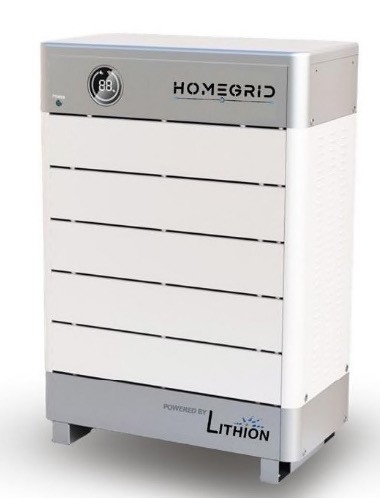
For many Tennessee homeowners, battery storage sounds appealing — but confusing. Terms like kilowatts, kilowatt-hours, and load management often make battery systems feel more complicated than they actually are.
Understanding how whole-home battery systems work is the key to deciding whether they make sense for your home.
What Is a Whole-Home Battery System?
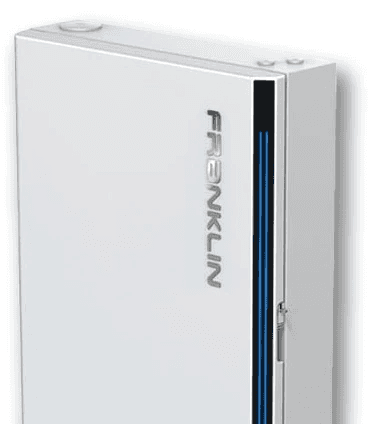
A whole-home battery system stores electricity for use when the grid is unavailable or when utility power is expensive. These systems typically work alongside solar panels but can also provide backup power on their own.
Instead of relying entirely on the grid, your home draws stored energy automatically when needed.
kW vs. kWh: The Most Important Difference
Battery systems are defined by two measurements:
Kilowatts (kW): How much power can be delivered at one time
Kilowatt-hours (kWh): How long that power can be delivered
Think of it like a water tank:
kW is how fast water flows
kWh is how much water is stored
Both matter when designing a system that can run an entire home.
How Power Flows During Normal Operation
On a typical day:
Solar panels power the home first
Excess solar charges the batteries
Any remaining power flows to the grid
At night or during peak utility hours, the home pulls power from the batteries instead of the grid.
What Happens During a Power Outage?
When the grid goes down:
The battery system disconnects automatically
Power is supplied instantly to the home
Essential systems continue running without interruption
There’s no manual switching and no delay.
Load Management and Prioritization
Whole-home systems can be configured to:
Power everything in the house, or
Prioritize critical loads like refrigeration, internet, HVAC, and medical equipment
Smart energy management ensures batteries are used efficiently.
Why Batteries Matter in Tennessee
In Tennessee, batteries help homeowners:
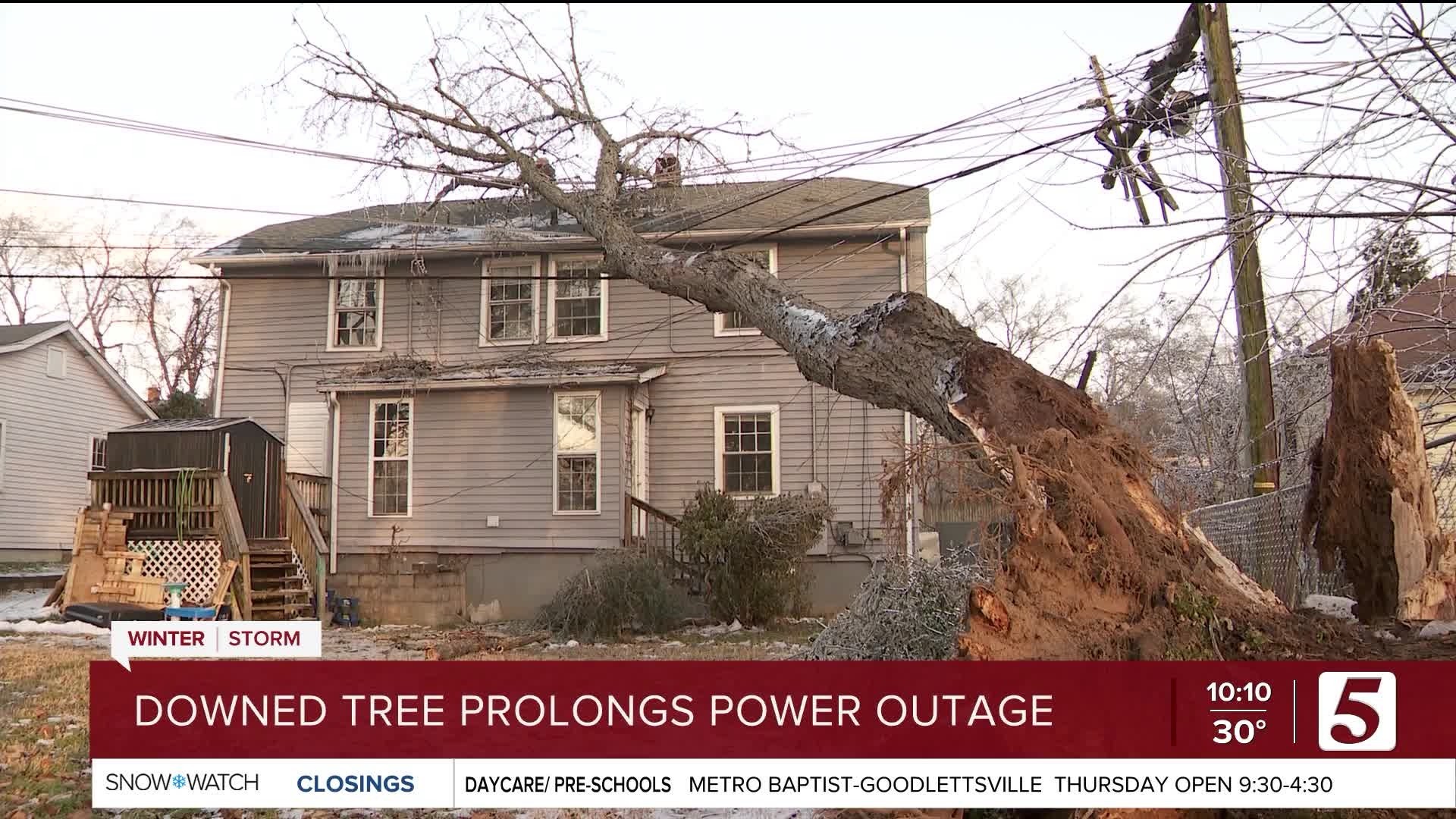
Stay powered during storms and grid outages
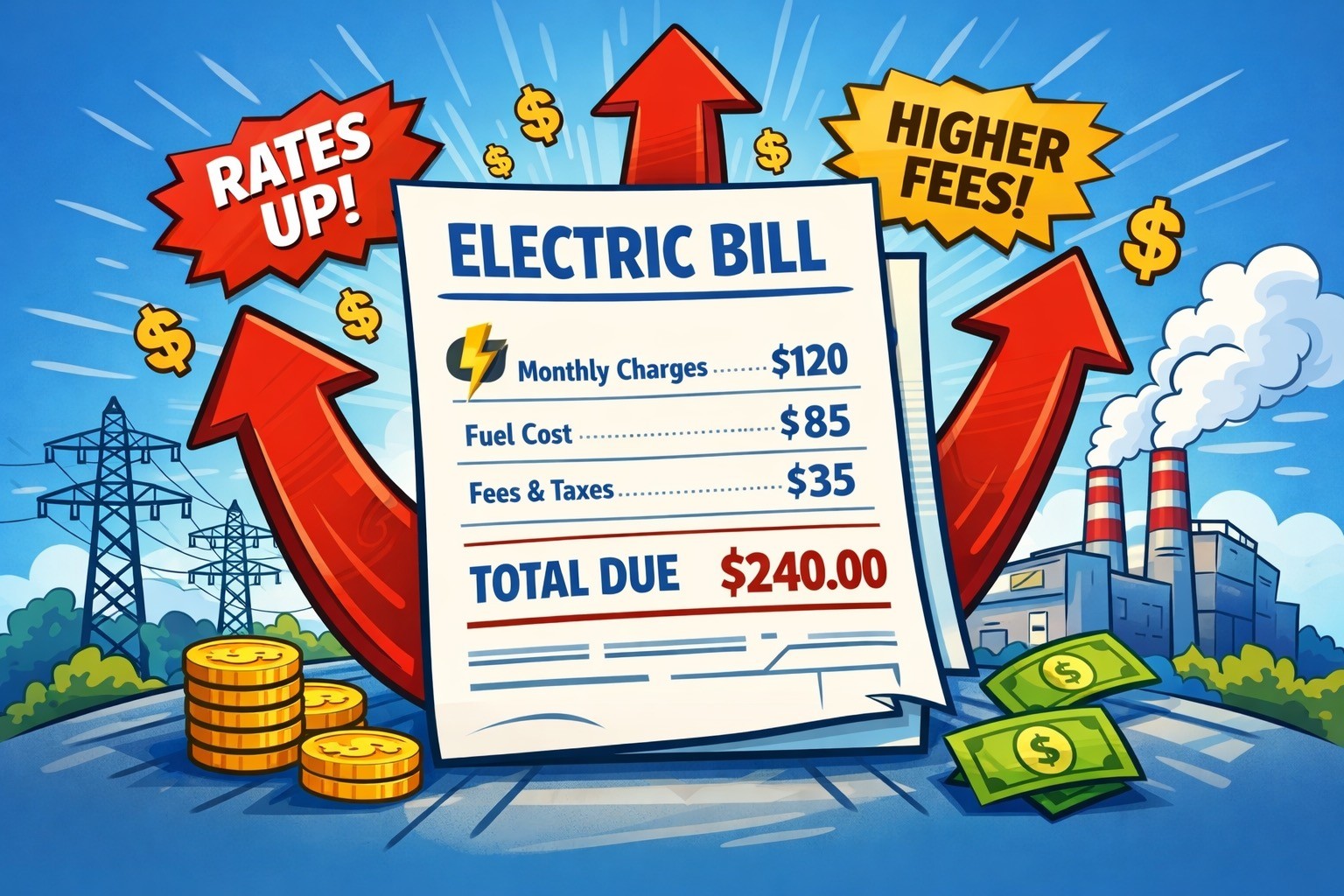
Reduce exposure to rising electric rates
Offset peak demand charges
Increase energy independence