Tennessee Grid
4
mins read
Why Tennessee’s Power Grid Is Under More Stress Than Ever
Tennessee’s power grid faces rising demand, aging infrastructure, and weather stress. Learn what this means for reliability, outages, and electric costs.
Jan 19, 2026
Share via:
Why Tennessee’s Power Grid Is Under More Stress Than Ever

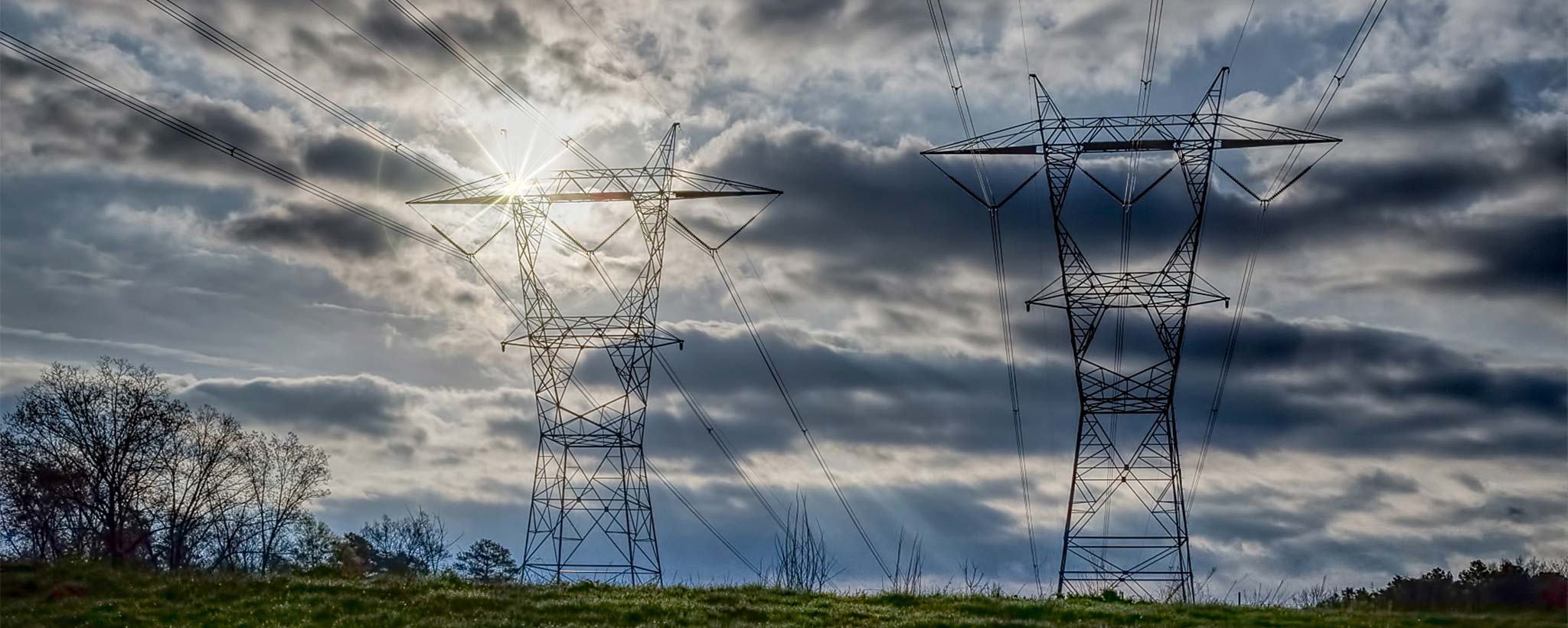
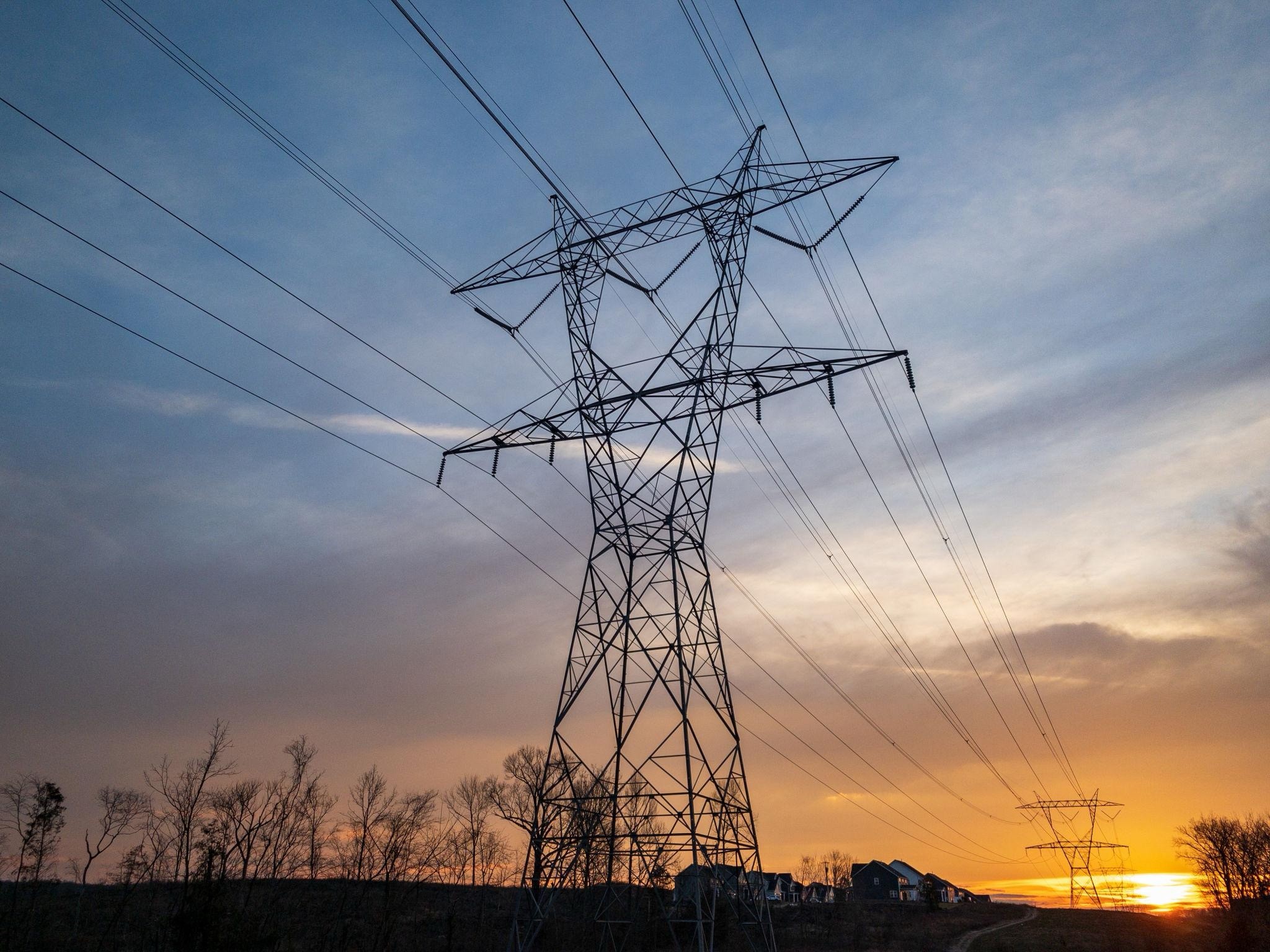
Tennessee’s electric grid was designed for a different era — one with fewer people, lower peak demand, and far less reliance on electricity.
Today, that system is being pushed harder than ever before.
Demand Growth Is Outpacing Grid Expansion
Several forces are driving rapid demand growth across Tennessee:
Population increases
Industrial and manufacturing expansion
Electric vehicle adoption
Data centers and cloud infrastructure
Higher residential energy use
This growth places sustained stress on generation, transmission, and distribution systems.
Aging Infrastructure Meets Modern Demand
Much of the grid infrastructure was built decades ago. As systems age, maintenance becomes more frequent and expensive — especially when operating near maximum capacity.
Upgrading these systems takes time and significant investment.
Extreme Weather Is Testing the Grid
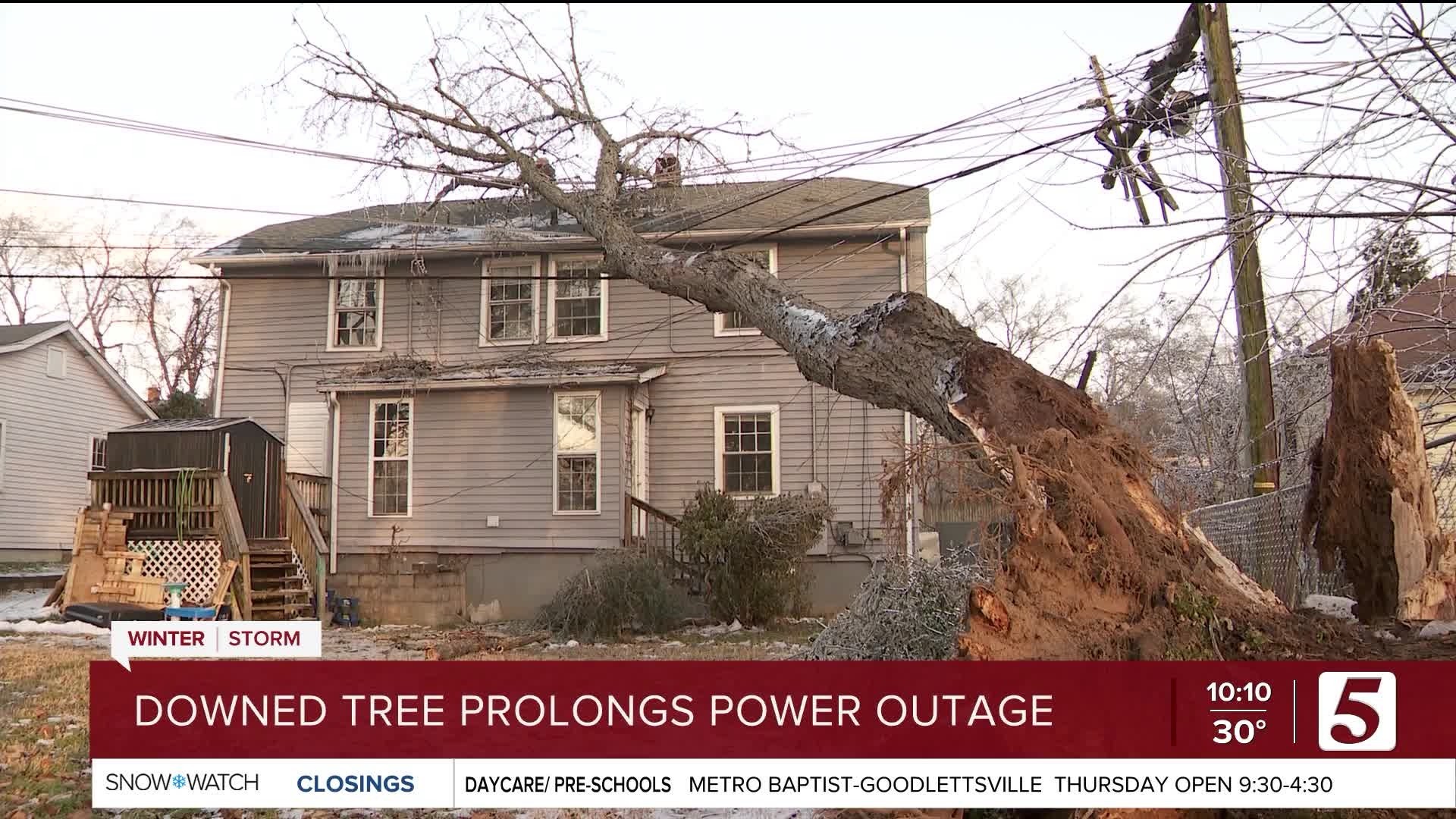
Heat waves, winter storms, and severe weather events increase demand while simultaneously stressing infrastructure. When usage spikes during extreme conditions, outages become more likely.
Why Stress Leads to Higher Costs
Operating a stressed grid requires:
Backup generation
Redundant systems
Emergency response planning
Accelerated infrastructure upgrades
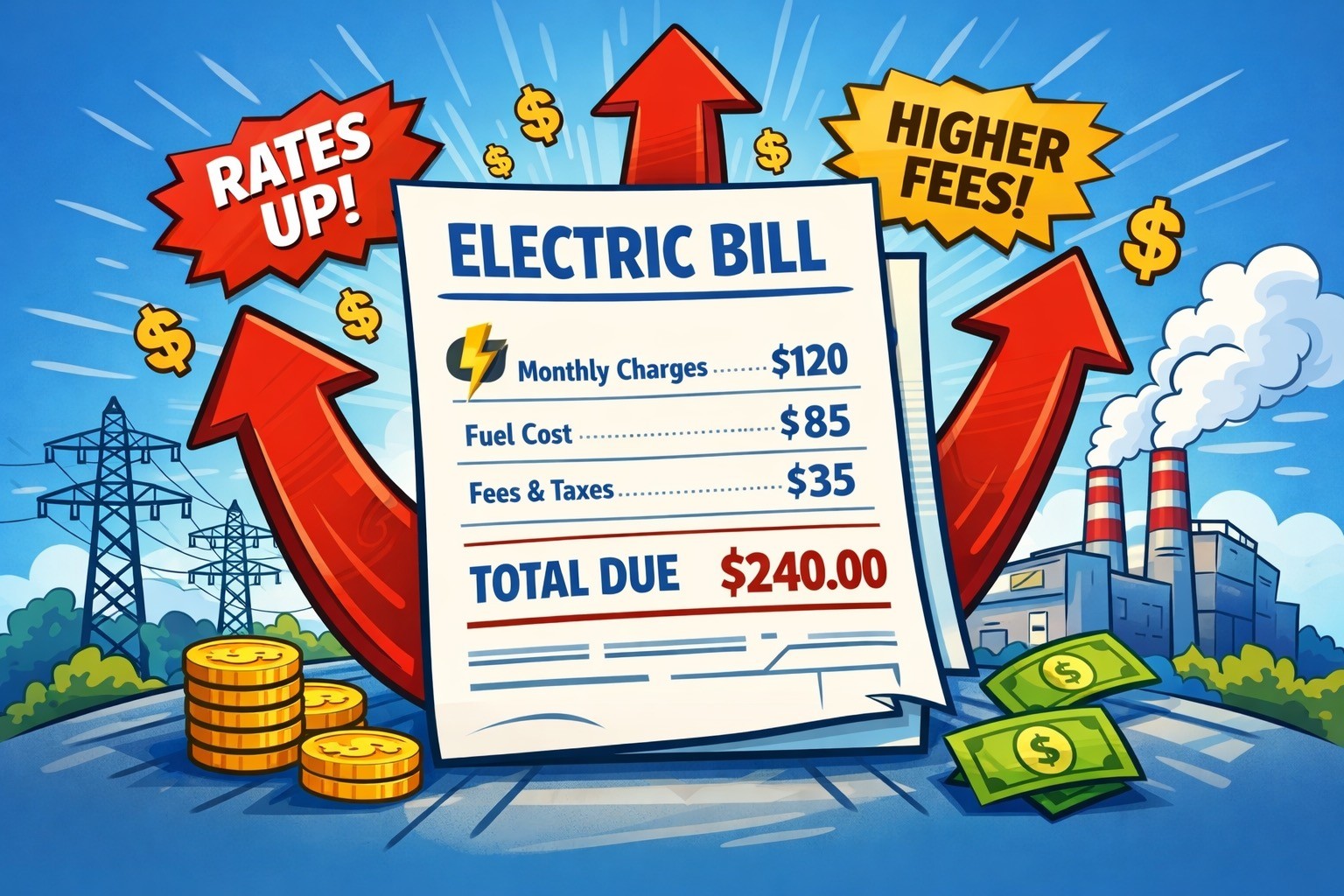
Those costs are ultimately reflected in electric bills.
What This Means for Homeowners
For Tennessee homeowners, grid stress results in:
Less predictable energy costs
Increased outage risk
Greater dependence on centralized systems
This is why energy independence and backup power are becoming more important.